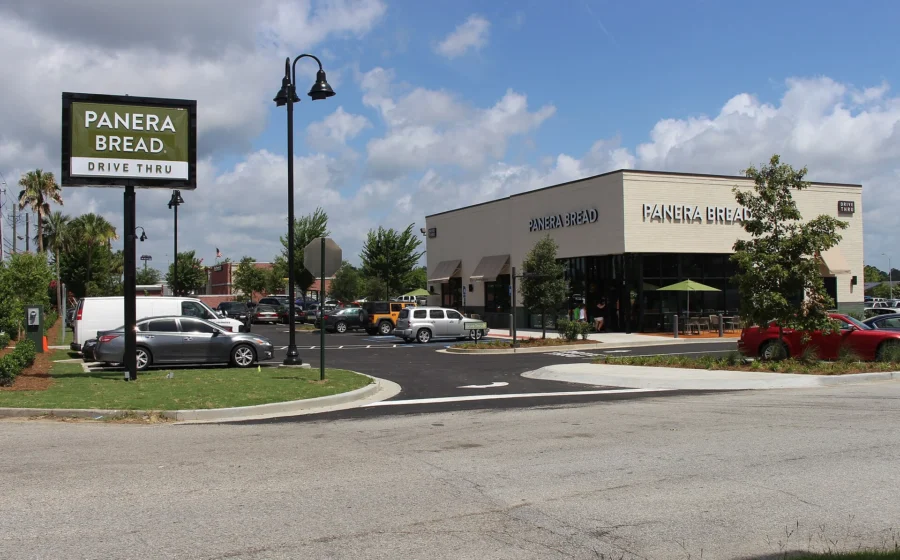
When a chain as big as Panera reshapes its board, regulars notice fast. The panera bread menu revamp was not a quiet tweak or a single seasonal launch. It was a deliberate rebuild of how the menu is organized, which dishes earn a place, and what a typical lunch costs. Some longtime fans cheered the simpler board. Others mourned dishes that vanished without a farewell tour. This guide explains why the revamp happened, what actually changed, and what it means for your next order.
First, a useful distinction. A menu change swaps one dish for another. A revamp rethinks the whole system behind those swaps. Panera’s revamp cut overlapping items, grouped the survivors into cleaner categories, and reset portions and prices so the kitchen could move faster during the lunch rush. That is why this article reads differently from our item-by-item Panera Bread Menu Changes guide. That page tracks what changed dish by dish. This page explains the strategy underneath those changes, and why the chain chose this path.
Why Panera Decided the Menu Needed a Rebuild
Menus grow the way closets grow. One good idea at a time, until nothing fits and finding anything takes too long. By the early 2020s, Panera’s board had swollen with overlapping sandwiches, salads that shared most of their ingredients, and seasonal items that lingered past their season. Kitchens juggled too many builds, new staff took longer to train, and the lunch line slowed down at exactly the wrong hour.
Customers felt it too, in a quieter way. A board with forty sandwiches sounds generous, but in practice it creates decision fatigue. Diners stared, defaulted to the same old order, and missed the dishes the kitchen actually did best. Panera’s answer, at the heart of the panera bread menu revamp, was to shrink the board on purpose. Fewer items, each one clearer in its role, with ingredients that repeat across the menu so the kitchen stays fast and fresh. Speed was the goal, not just novelty.
What the Revamp Actually Did to the Board
The clearest change in the panera bread menu revamp is structural. The old board sprawled across overlapping groups. The revamped board groups dishes into tight, readable categories: soups, sandwiches, salads and bowls, bakery, and drinks, with breakfast holding its own morning lane. Within each group, items no longer trip over each other. You will not find three sandwiches that differ only by one sauce. Each build now has a job, whether that job is value, comfort, freshness, or indulgence.
Portions and prices moved with the structure of the panera bread menu revamp. Panera reset many mains into a tighter band, roughly $9 to $15, and pushed pairings as the default way to build a meal. A soup-and-sandwich duo, in the You Pick Two style, became the value anchor of the new board. That pairing lets the chain hold a reasonable headline price while still selling fuller meals. Solo diners get a complete lunch without buying two full items, and the kitchen gets a predictable, fast build.
The table below sums up the shift in plain terms, so you can see the strategy at a glance rather than hunting through old and new boards side by side.
| Area | Before the revamp | After the revamp | What it means for you |
|---|---|---|---|
| Menu size | Wide, overlapping lineup | Smaller, sharper lineup | Faster ordering, less confusion |
| Categories | Blurred, overlapping groups | Clear groups: soups, sandwiches, salads, bakery | Easier to find your kind of meal |
| Sandwiches | Many near-identical builds | Fewer builds, each distinct | Each sandwich has a clear reason to exist |
| Salads and bowls | Several similar green salads | Grain bowls plus signature salads | More filling, less repetition |
| Pricing | Wide, uneven spread | Tighter $9 to $15 main band, pairing-led value | Easier to budget a lunch |
| Seasonal items | Lingered, blurred the board | Clean seasonal rotations | New items feel like events again |
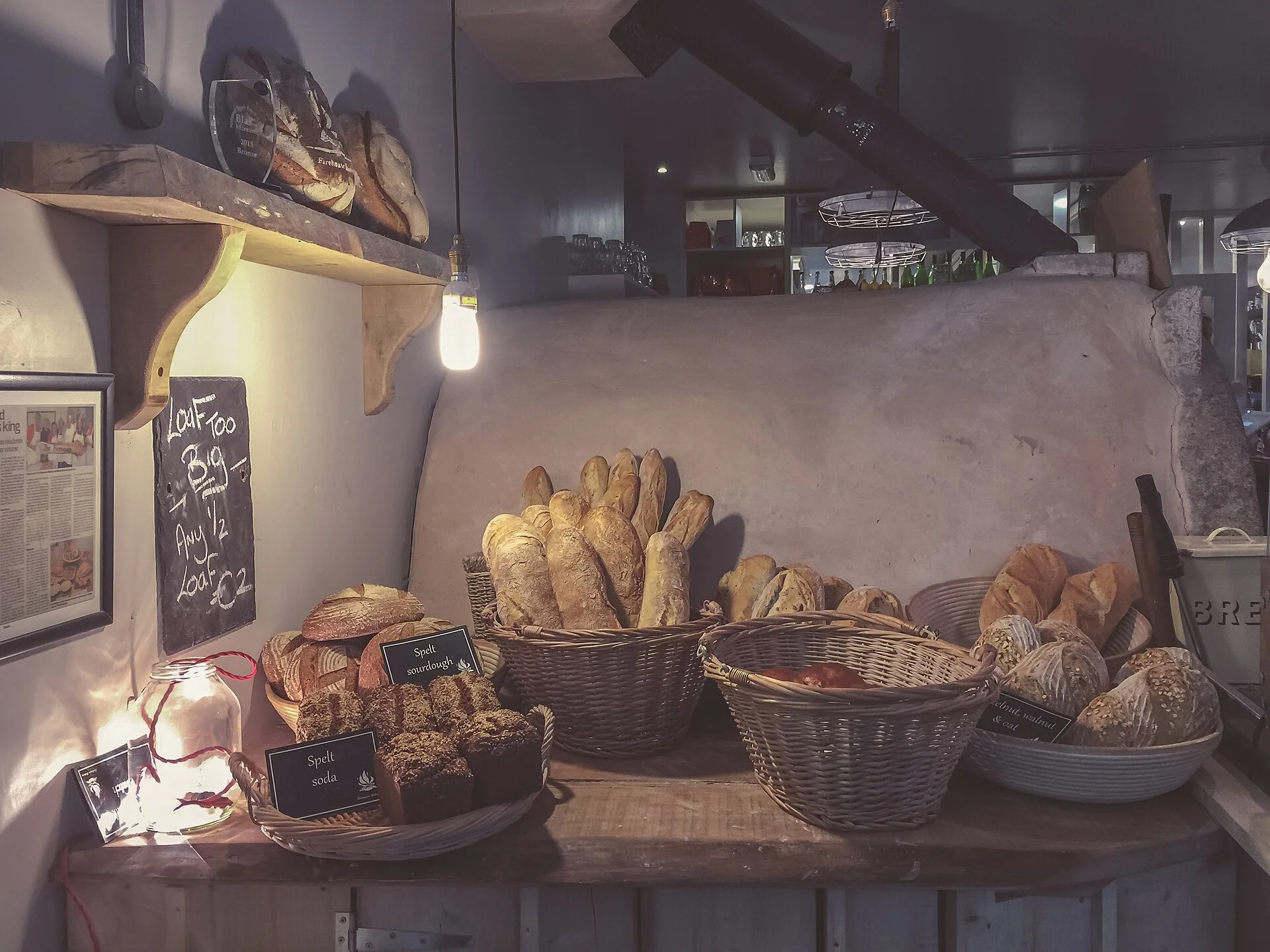
Photo: Drew Coffman drewcoffman, CC0 – via Wikimedia Commons
What Longtime Fans Gained
Start with the good news, because there is plenty of it. Service got faster after the panera bread menu revamp. A smaller board means the kitchen repeats the same builds all day, and repetition breeds speed. Regulars who order during the lunch rush notice the difference within a visit or two, especially at busy cafes where the old board used to stall the line. Mobile ordering helps even more, since a cleaner menu is easier to scan on a phone screen.
Value got clearer too under the panera bread menu revamp. The old board hid its best deals behind a wall of options. The new board puts pairings front and center, so a soup-and-sandwich lunch or a salad-and-bakery combo reads as the obvious smart order. Prices did not fall across the board, and nobody should pretend they did, but the path to a reasonable total got shorter. A diner who knows the pairing trick can eat well for $14 to $19 with a drink, which is fair for a sit-down bakery-cafe lunch.
What Longtime Fans Lost
Now the harder part. The panera bread menu revamp, by definition, retires dishes people loved. Some losses were niche items with small but loyal followings: a particular salad dressing combination, a sandwich build that regulars had customized for years, a seasonal soup that never quite earned a permanent slot. When those items vanished, their fans did not just lose a dish. They lost a routine, and routines matter at a neighborhood cafe.
Customization also narrowed in places. A smaller board means fewer base ingredients on hand, so a heavily customized order that worked before the revamp may not work now. Staff will still help where they can, and many swaps remain possible, but the old freedom to rebuild a sandwich from spare parts has limits. If your order depends on an ingredient the revamp dropped, ask what the closest current build is. Often a surviving sandwich shares the same protein or bread, just with a different sauce.
Price feelings cut both ways. Some items got cheaper in relative terms through pairings, while others moved up as portions or ingredients changed. A fan whose favorite sandwich jumped from $11 to $13 feels the revamp as a price hike, even if the pairing math softens the blow. That reaction is fair. Revamps serve the whole customer base, not any single regular, and individual bills do not always follow the average. For the full price picture, see our Panera Sandwiches Menu guide and the Panera Lunch Menu With Prices page.
Photo: Horacio Cambeiro, CC BY-SA 3.0 – via Wikimedia Commons
Breakfast, Bakery, and Drinks After the Revamp
Breakfast changed less than lunch in the panera bread menu revamp, which surprised some observers. Morning items already ran a tighter board, with bagels, egg sandwiches, and pastries doing most of the work. The revamp tidied that lane rather than rebuilding it, trimming a few slow sellers and sharpening the coffee-and-pastry pairing. Morning regulars kept their routines, and the Panera Breakfast Menu guide shows how the morning board looks now.
Photo: Alayna the Extravagant, CC BY-SA 3.0 – via Wikimedia Commons
How to Order Smart on the Revamped Board
The revamp rewards a simple strategy. First, learn the pairings. A soup-and-sandwich duo or a salad-and-bakery combo usually beats two full items on price, and it lets you sample more of the board. Second, lean on the categories. If you want comfort, head to soups. If you want freshness, head to salads and bowls. If you want speed, grab a bakery item with coffee. The categories now mean something, so use them as shortcuts.
Photo: Sarah Stierch, CC BY 4.0 – via Wikimedia Commons
Was the Revamp a Success?
Judged on its own goals, yes, with honest caveats. Service is faster, the board reads clearly, and value pairings give diners a sensible path to a full lunch. Kitchens run smoother, seasonal launches feel like events again, and the chain has room to experiment without rebuilding the board every year. Those are real wins, and they explain why Panera stuck with the leaner structure rather than drifting back to the old sprawl.
What comes next after the panera bread menu revamp looks like steady refinement rather than another rebuild. Expect seasonal rotations to keep testing new ideas, pairings to stay central to value, and the permanent board to change slowly, one proven dish at a time. If you want the latest dish-level news, check the Panera Bread Menu hub and the official Panera menu for current items. For hours and locations, the official store locator on panerabread.com has the details for your cafe, since hours and availability are set locally and never guessed here.
Frequently Asked Questions
What is the panera bread menu revamp?
It is Panera’s rebuild of its menu system: fewer, clearer categories, overlapping sandwiches and salads cut, and prices reset around value pairings. It differs from a single menu change because it reshaped how the whole board is organized, not just which dishes appear on it.
Why did Panera revamp its menu?
The old board had grown too wide, with overlapping items slowing kitchens and confusing diners. The revamp cut slow sellers, grouped survivors into clear categories, and freed kitchen time for faster service and cleaner seasonal rotations.
Which items did the revamp remove?
Mostly niche sandwiches, overlapping salads, and lingering seasonal items with small followings. The exact retired dishes varied by cafe and season, so the item-by-item record lives in our Panera Bread Menu Changes guide rather than in one fixed list.
Did the revamp make Panera cheaper?
Not across the board. Some items moved up in price, while pairings made a full lunch cheaper than buying two full items separately. A typical paired lunch with a drink runs about $14 to $19, though prices vary by location.
Will Panera revamp the menu again soon?
A full rebuild looks unlikely in the near term. The current structure is built for steady refinement, with seasonal rotations testing new ideas and proven sellers earning permanent slots one dish at a time.